Healthy Country Planning

Healthy Country Planning and how it can support Indigenous Protected Area consultation projects

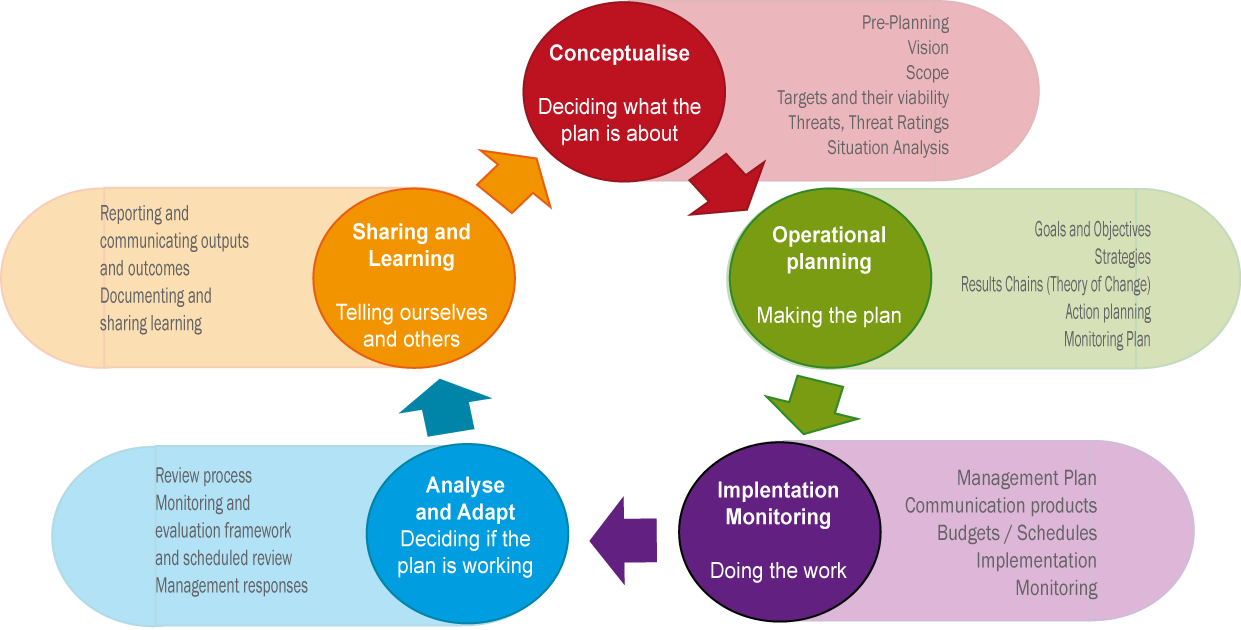
Healthy Country Planning (HCP) is an approach that helps IP & LC bring together cultural knowledge, community priorities and ecological information in a structured way to guide the management of land and sea-country. Adapted from the Conservation Standards for the Practice of Conservation, the framework supports participatory planning processes that are both culturally grounded and practically focused.

In Indigenous Protected Area (IPA) consultation projects, HCP provides a clear pathway for translating community aspirations into agreed conservation priorities and implementable management strategies. Through facilitated workshops and structured planning tools, Traditional Owners, ranger teams and partner organisations can work collaboratively to identify conservation targets, understand key threats and develop coordinated actions.

Importantly, the approach also strengthens monitoring and evaluation processes. By linking planning decisions to indicators and adaptive management cycles, IPA programs are better positioned to demonstrate outcomes, learn from experience and adjust management over time. This supports accountability to communities as well as alignment with government program requirements.

Healthy Country Planning plays a valuable role not only in developing IPA management plans, but also in building long-term organisational capability. When applied effectively, it helps create shared ownership of conservation decisions and supports Indigenous leadership in caring for Country in ways that are culturally meaningful and operationally effective.

Healthy Country Planning Framework

Keeping a plan alive - Mid-term Reviews

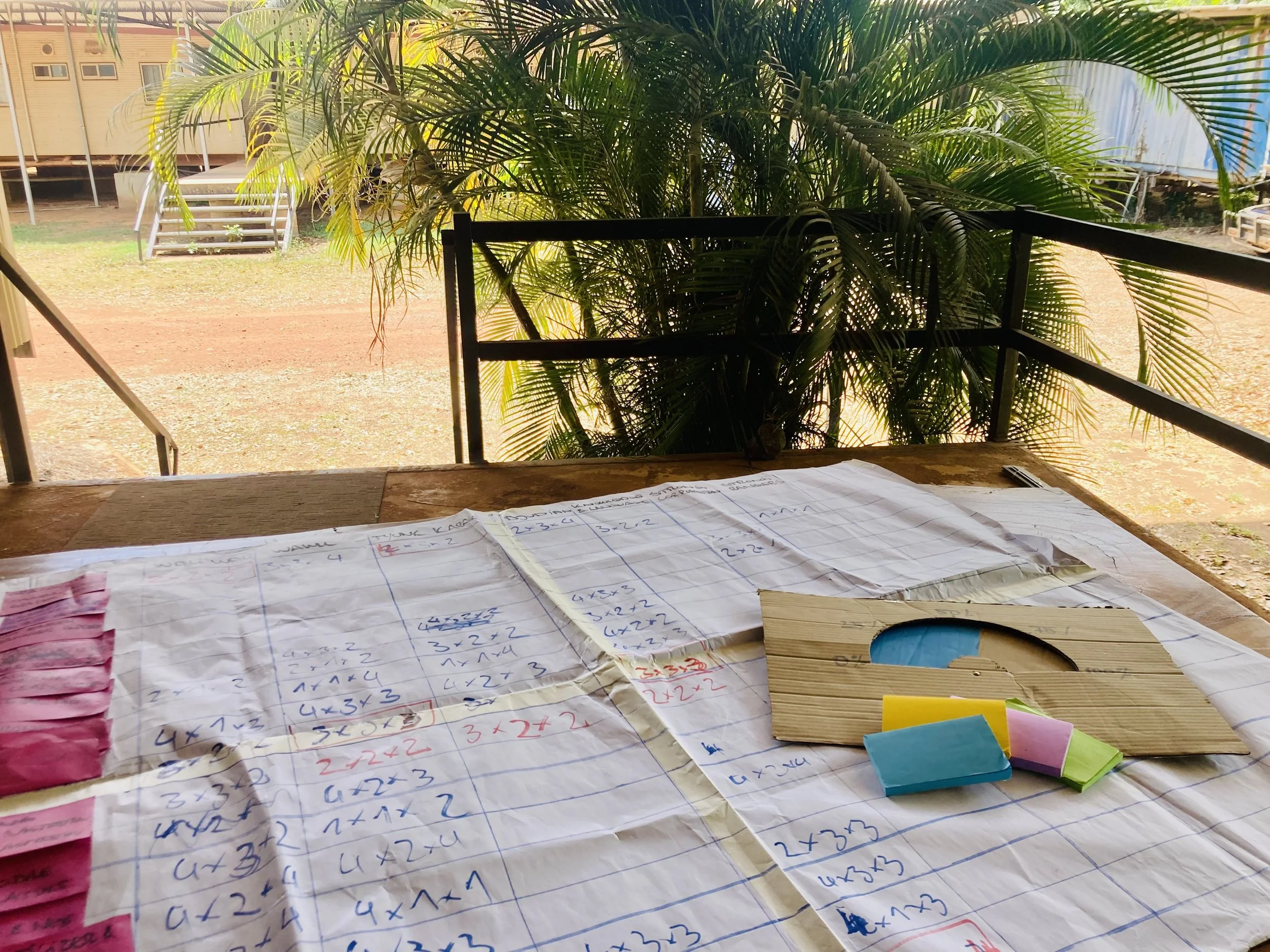
I’ve just returned from a workshop in the Top End to support the mid-term review of a Healthy Country Plan. These moments are always a great reminder of how important it is to pause, reflect, and assess progress together with the Indigenous Ranger Groups who care most about Country.

Mid-term reviews are not just a box-ticking exercise—they are a chance to look honestly at what’s working well, what challenges have emerged, and where we need to adjust course. They keep the plan alive and relevant, ensuring it continues to reflect community priorities and ecological realities.

In this process, we draw on the power of the Conservation Standards (CS), which provide a clear framework not only for planning, but also for adaptation and learning. Using the CS helps measure progress against agreed-upon outcomes, strengthens accountability, and informs decisions based on both evidence and cultural knowledge.

MERI Frameworks help Indigenous Protected Areas and Indigenous Ranger Programs tell their story

MERI frameworks are crucial to adaptive management, identifying critical indicators describing how we evaluate and improve management. The development of MERI plans is straightforward when the underlying adaptive management framework has a structure that links inputs with outputs and outcomes.

A good MERI framework helps projects to better tell their story by explaining the Theory of Change of proposed conservation interventions. They ultimately create confidence in a project’s ability to achieve the outcomes it proposes – important both for a project’s ability to access funding and comply with funding requirements.

This FLYER outlines how the clear and transparent structure of Healthy Country Planning allows projects to develop robust MERI frameworks that help us respond to three crucial questions:

·        Are we following our plan? Are we implementing the actions and strategies for our work plan?

·        Are the things we are doing leading to the expected results -  are we achieving the intended outcomes?

Boost Conservation Impact with Community Engagement

A lack of community ownership can be a major barrier to the success of conservation projects. That's where participatory planning approaches like Healthy Country Planning come in.

By engaging local communities from the start, Healthy Country Planning — adapted from the Conservation Standards — offers a powerful framework to link non-Indigenous conservation programs with community priorities. This collaborative approach expands a project’s impact and fosters long-lasting success.

Curious about how this could work for your conservation projects? Learn more HERE

New publication: Integrating Social Value in Landscape Planning: Experiences from Working with Indigenous Communities in Australia

Together with David Hinchley, Damien Parriman, Mike Heiner and James Fitzsimons we wrote a book-chapter titled “Integrating Social Value in Landscape Planning: Experiences from Working with Indigenous Communities in Australia” for the publication Social Value, Climate Change and Environmental Stewardship: Insights from Theory and Practice.

In this article we explore how Healthy Country Planning and Development by Design can assist Indigenous Groups in Australia increasing the Free, Prior and Informed Consent (FPIC) in the land-use decision making process.

Conservation Planning in the Dawna Tanintharyi region of Myanmar

Back from a very exciting Healthy Country Planning project in the Dawna Tanintharyi landscape of Myanmar to facilitate the development of the Kawthoolei Forest Department Strategic Conservation Management Plan

The strategic conservation plan will support the Kawthoolei Forestry Department, the Karen Wildlife Conservation Initiative and Karen communities to manage a culturally and bio diverse rich landscape strategically.