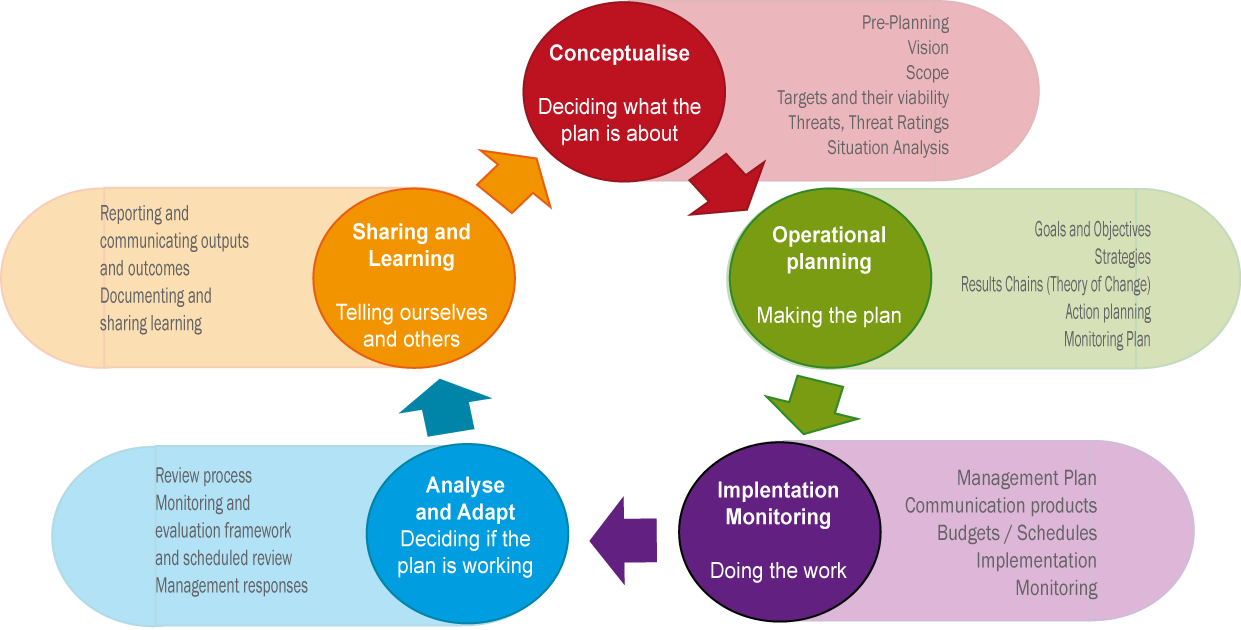
Adaptive Management

Why do some conservation plans end up collecting dust on a shelf after the workshops? Part 4: Monitoring frameworks that are too complicated

Monitoring is a critical component of adaptive management. However, monitoring systems are only effective when they are practical, realistic and aligned with available project capacity.

Projects can struggle when monitoring frameworks become overly complicated, difficult to maintain or disconnected from day-to-day implementation realities. In some cases, monitoring requirements can gradually become so resource-intensive that data collection is no longer sustained over time.

Simple and meaningful monitoring approaches are often more sustainable and more likely to support long-term adaptive management and organisational learning.

This does not mean monitoring should lack rigour. Rather, monitoring frameworks need to be carefully designed around project priorities, implementation realities and the information genuinely required to support decision-making and learning.

Healthy Country Planning and the Conservation Standards place strong emphasis on practical adaptive management approaches that support learning while remaining achievable within available capacity and resources.
Why do some conservation plans end up collecting dust on a shelf after the workshops? Part 3: Unclear responsibilities

As projects invest significant effort into developing management plans, it is important that implementation responsibilities remain clear beyond the workshop phase.

Adaptive management plans need to clearly identify who is responsible for what, when implementation will occur and how actions will be carried forward over time.

Without clear responsibilities, even strong strategic plans can struggle to move from intention to action. Activities may remain undefined, accountability can become unclear and implementation momentum may gradually weaken.

Responsibilities identified during planning should therefore carry through into operational planning, staff roles and broader team management processes. This helps ensure continuity, accountability and clarity around implementation responsibilities across the life of a project.

Healthy Country Planning and the Conservation Standards support adaptive management approaches that connect strategic priorities with operational implementation and clearly defined responsibilities, supported by software solutions like Miradi with its expanding work planning functionality.

Why do some conservation plans end up collecting dust on a shelf after the workshops? Part 2: Disconnected plans

As projects invest significant resources in developing management plans, it is important to ensure that these documents continue to support and guide decision-making during implementation.

One common reason plans lose momentum is that strategic plans remain disconnected from the operational systems that guide day-to-day and annual work.

Conservation plans that are not linked to operational work plans, budgets and reporting processes often remain in the strategic domain without meaningfully informing implementation and decision-making.

One way to avoid disconnected plans is by ensuring operational plans are directly derived from the strategic plan and reflect how teams actually organise their work and reporting processes. When strategic priorities are embedded into operational systems, plans are far more likely to remain active tools that guide implementation, prioritisation and adaptive management over time.


Healthy Country Planning and how it can support Indigenous Protected Area consultation projects

Healthy Country Planning (HCP) is an approach that helps IP & LC bring together cultural knowledge, community priorities and ecological information in a structured way to guide the management of land and sea-country. Adapted from the Conservation Standards for the Practice of Conservation, the framework supports participatory planning processes that are both culturally grounded and practically focused.

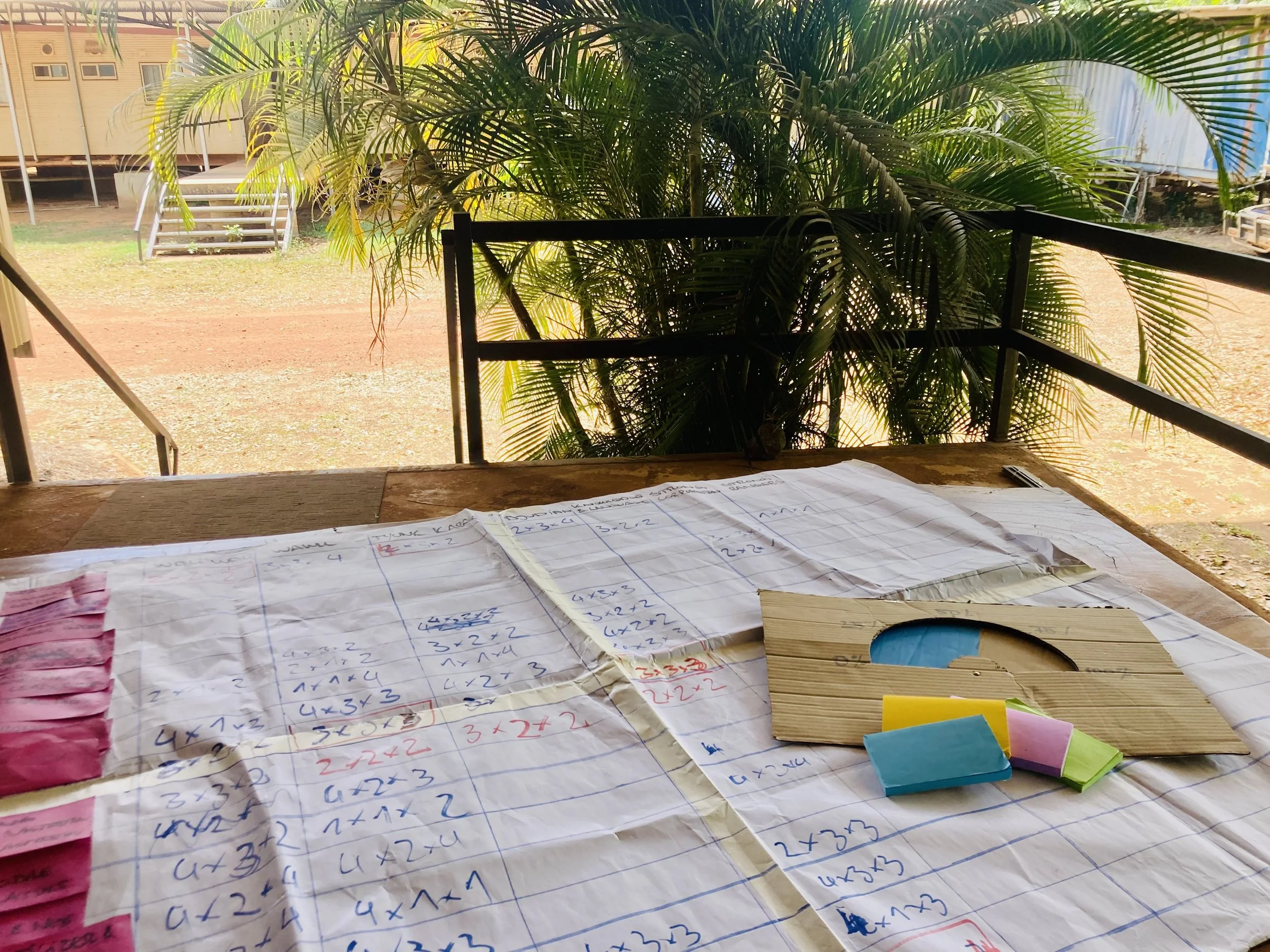
In Indigenous Protected Area (IPA) consultation projects, HCP provides a clear pathway for translating community aspirations into agreed conservation priorities and implementable management strategies. Through facilitated workshops and structured planning tools, Traditional Owners, ranger teams and partner organisations can work collaboratively to identify conservation targets, understand key threats and develop coordinated actions.

Importantly, the approach also strengthens monitoring and evaluation processes. By linking planning decisions to indicators and adaptive management cycles, IPA programs are better positioned to demonstrate outcomes, learn from experience and adjust management over time. This supports accountability to communities as well as alignment with government program requirements.

Healthy Country Planning plays a valuable role not only in developing IPA management plans, but also in building long-term organisational capability. When applied effectively, it helps create shared ownership of conservation decisions and supports Indigenous leadership in caring for Country in ways that are culturally meaningful and operationally effective.

Healthy Country Planning Framework