Healthy Country Planning (HCP) is an approach that helps IP & LC bring together cultural knowledge, community priorities and ecological information in a structured way to guide the management of land and sea-country. Adapted from the Conservation Standards for the Practice of Conservation, the framework supports participatory planning processes that are both culturally grounded and practically focused.
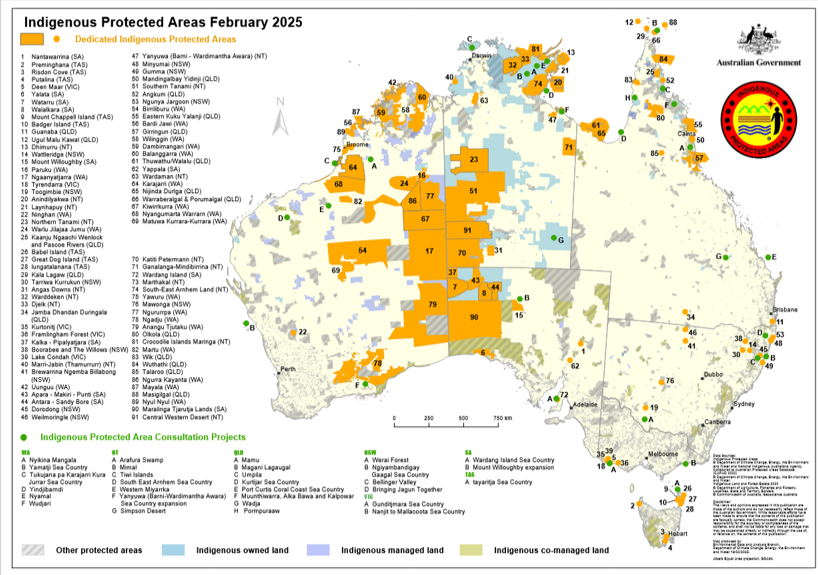
In Indigenous Protected Area (IPA) consultation projects, HCP provides a clear pathway for translating community aspirations into agreed conservation priorities and implementable management strategies. Through facilitated workshops and structured planning tools, Traditional Owners, ranger teams and partner organisations can work collaboratively to identify conservation targets, understand key threats and develop coordinated actions.
Importantly, the approach also strengthens monitoring and evaluation processes. By linking planning decisions to indicators and adaptive management cycles, IPA programs are better positioned to demonstrate outcomes, learn from experience and adjust management over time. This supports accountability to communities as well as alignment with government program requirements.
Healthy Country Planning plays a valuable role not only in developing IPA management plans, but also in building long-term organisational capability. When applied effectively, it helps create shared ownership of conservation decisions and supports Indigenous leadership in caring for Country in ways that are culturally meaningful and operationally effective.
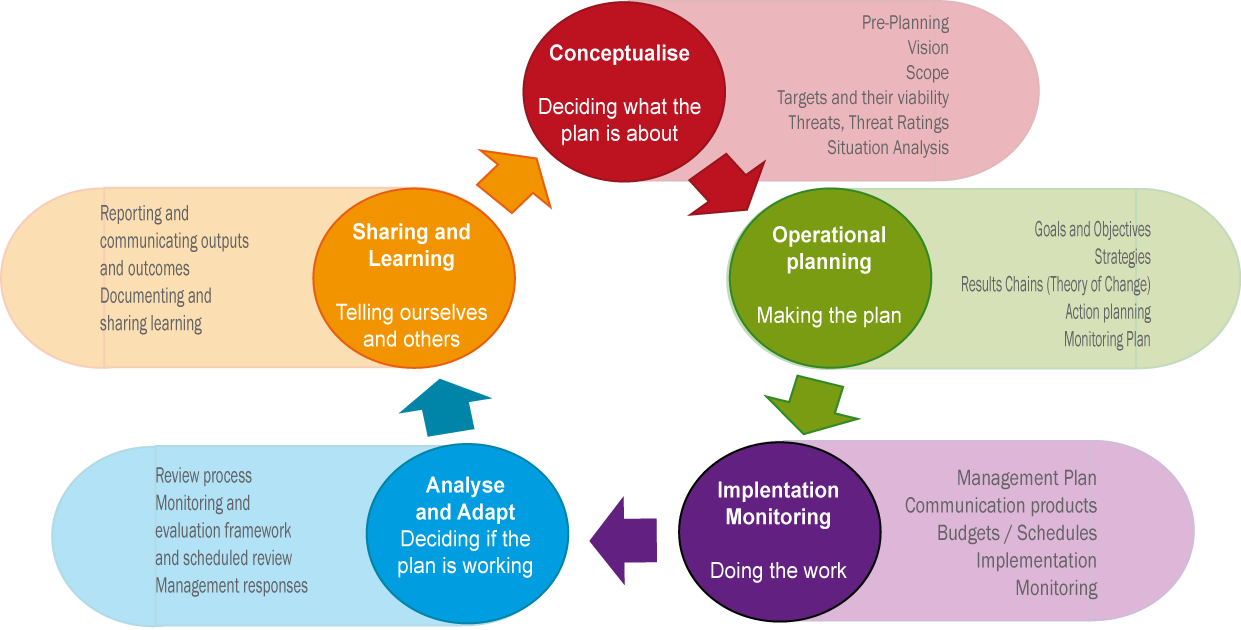
Healthy Country Planning Framework