

An adaptive and culturally grounded approach to conservation planning
Frank Weisenberger Consulting applies structured yet flexible approaches to conservation planning that support Indigenous People and Local Communities (IP & LC) and conservation organisations to make informed and culturally grounded decisions about the management of land and sea. Planning processes are guided by internationally recognised frameworks such as the Conservation Standards (CS). The CS are built on the collective expertise of adaptive managers and strategic planning across multiple industries and provide a structured approach to cultural and natural resource management.
The Conservation Standards enable projects to take a systematic approach to planning, implementing, and monitoring initiatives. The CS allow project teams to learn from their actions—understanding what works, what doesn’t, and why—ultimately leading to improved and more effective conservation strategies. They bring together principles and best practices in adaptive and results-based management, offering a unified approach and shared terminology.
Applying the Conservation Standards in IP & LC contexts
Figure 1: The Healthy Country Planning Framework
Healthy Country Planning represents an adaptation of the Conservation Standards that aligns structured planning processes with Indigenous governance systems, cultural authority and community decision-making. Facilitation focuses on ensuring that planning remains inclusive and meaningful to communities while also providing structure for implementation and reporting (See also this flyer outlinining how the Conservation Standards can assist with regular reviews and informing a project’s MERI framework to close the adaptive management cycle).
Across Australia, Indigenous organisations have applied Healthy Country Planning to develop Indigenous Protected Area management plans, guide co-management arrangements for national parks, strengthen ranger group operational planning and establish monitoring and evaluation frameworks that integrate Indigenous and Western knowledge systems. By providing a shared planning language and results-based logic, the framework also supports constructive partnerships between Indigenous organisations and external conservation initiatives.
Integrating planning frameworks with practical management tools
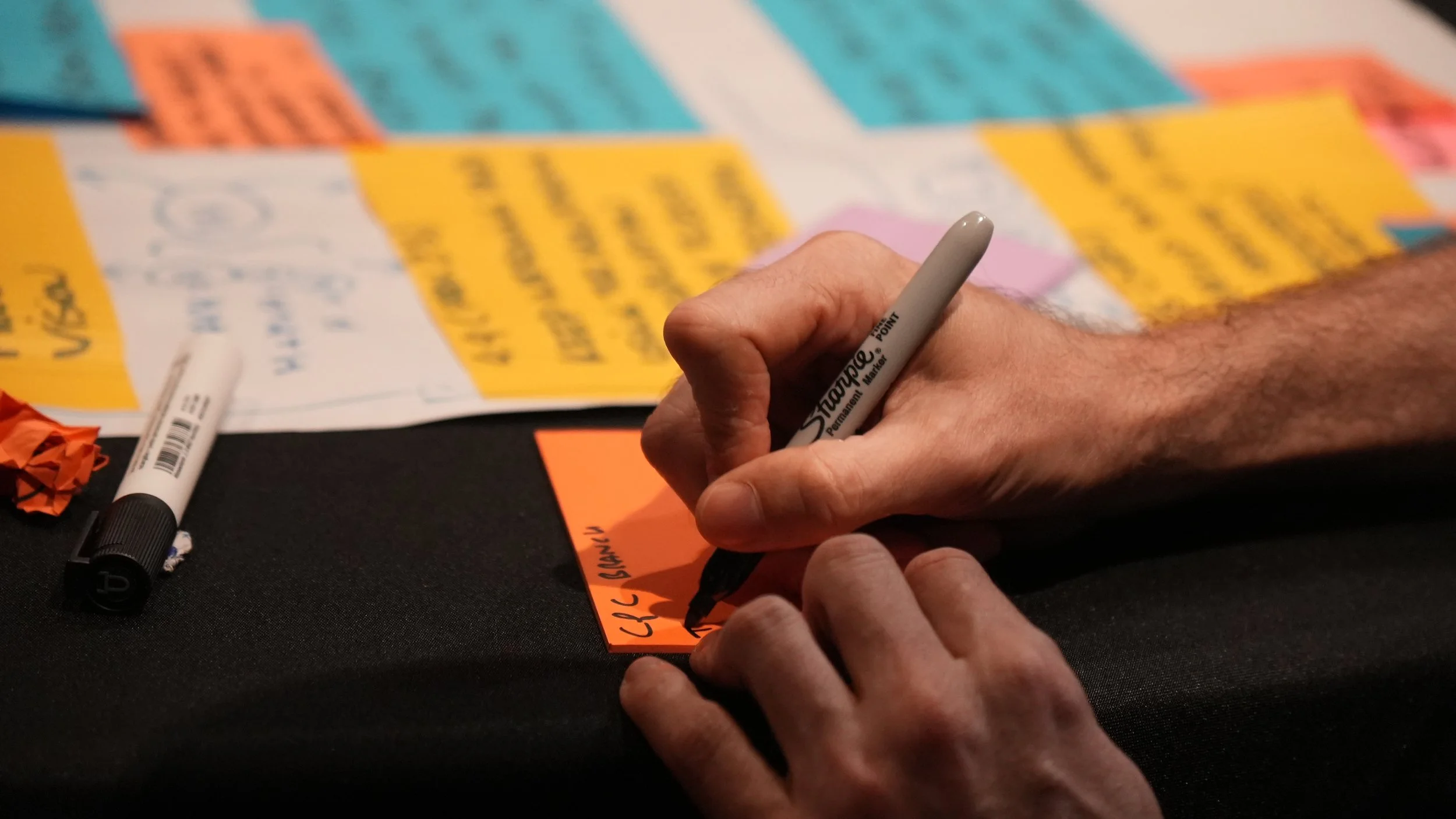
Participatory Planning
Adaptive management frameworks are strengthened when supported by practical tools for data collection, spatial planning and reporting. Frank Weisenberger Consulting works with ranger teams and program managers to integrate tools such as SMART, Cybertracker, GIS platforms and participatory mapping processes into broader planning and monitoring frameworks to ensure that planning outcomes are reflected in day-to-day land and sea management activities and that information gathered in the field informs ongoing decision-making.
The Conservation Standards are supported by the Miradi project management software. The software package allows planners and practitioners to design, manage, monitor and adapt their conservation projects and export work and monitoring plans. Miradi Desktop is supported by Miradi Share a cloud-based platform that improves remote collaboration between multiple parties working on CS/HCP projects.
Building capability for long-term conservation leadership
An important objective of planning engagements is to strengthen internal capability so organisations can continue to apply adaptive management approaches independently. Consulting support focuses on mentoring, training and co-development of planning tools that remain useful beyond a single project cycle.
By strengthening organisational capacity to plan, monitor and adapt, conservation initiatives are better positioned to respond to emerging challenges and opportunities over time.